May - Termite Control - A Recent Job & Some Homeowner Tips
By David, Owner, Guardian Pest & Termite Services
What I Walked Into
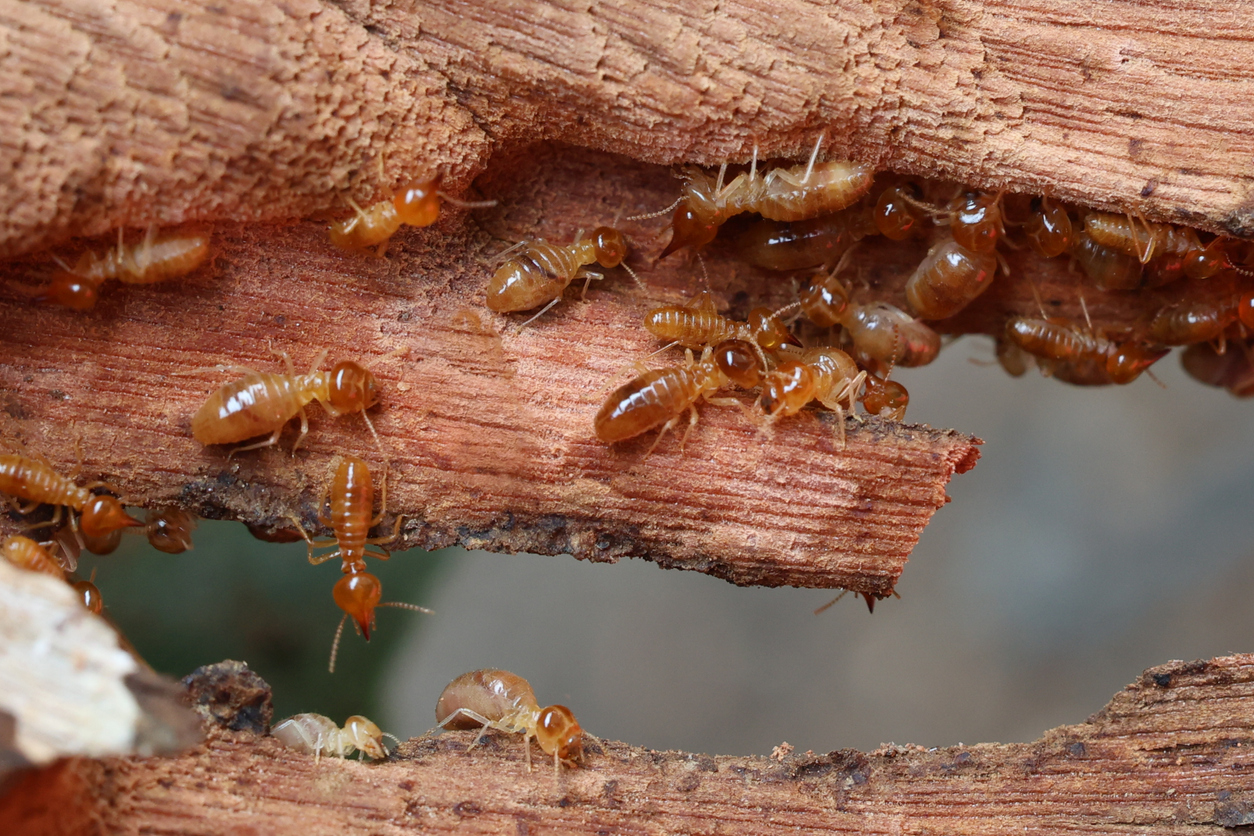
May is when termite activity really starts becoming noticeable around the Greater Charlotte metropolitan area. The warmer temperatures and spring moisture create the perfect conditions for termites to begin swarming, and homeowners usually start spotting the early warning signs around this time of year.
Earlier this month, I got a call from a homeowner who noticed what looked like small piles of wings collecting near a back window and along the garage floor. At first, they thought it might just be flying ants or something coming in from outside, but after seeing it happen more than once, they decided to have it checked out.
The home was a two-story house with mulch beds around most of the foundation and several areas where wood landscaping bordered the exterior walls. When I arrived, there wasn’t obvious damage visible from a distance, but once I started looking closer, there were a few signs that stood out right away.
The Problem
Termite problems this time of year in the Greater Charlotte metropolitan area are something we deal with regularly. Spring and early summer are when subterranean termites become more active, especially after periods of rain followed by warm weather.
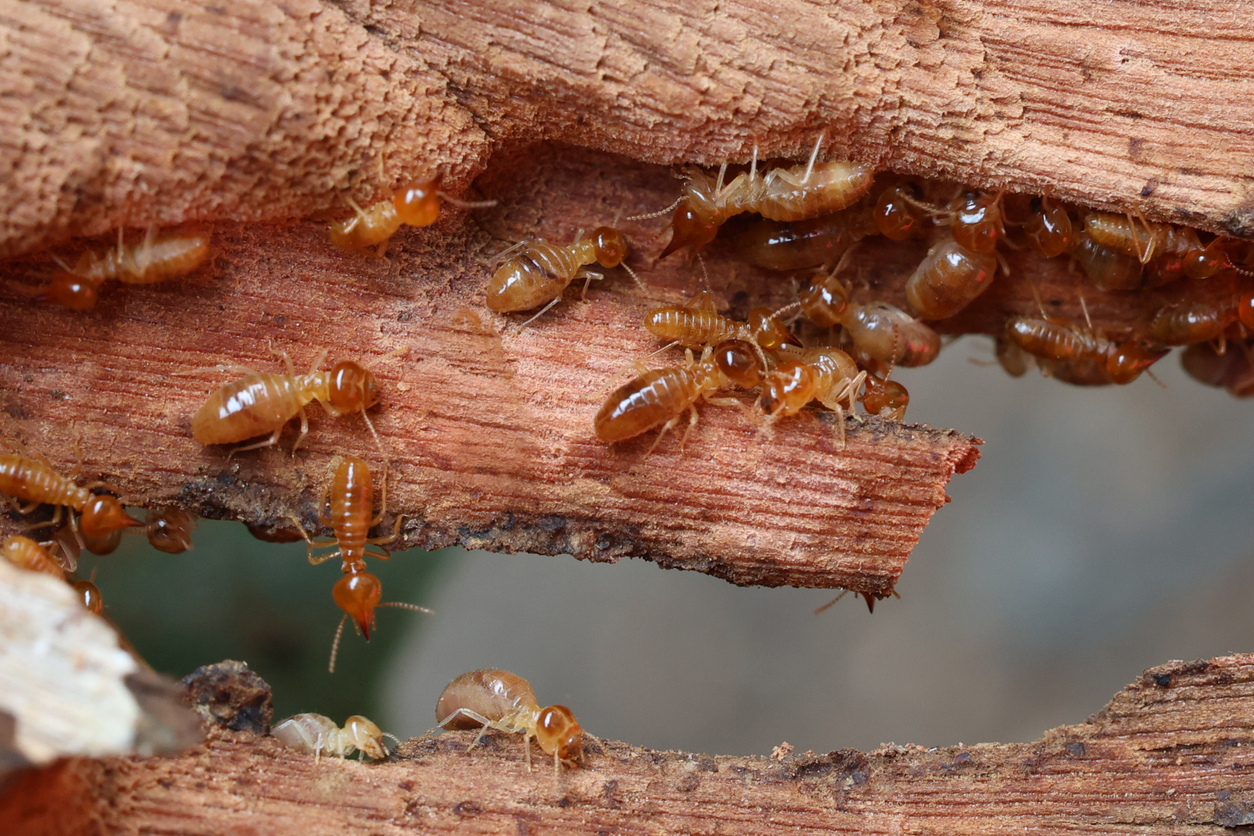
In this case, the wings the homeowner was finding were coming from a termite swarm that had likely happened nearby. During the inspection, I found mud tubes running along part of the foundation near the garage area. That’s one of the clearest signs of active termite movement because termites use those tubes to stay protected while traveling between the soil and the structure.
As I continued checking the crawl space and lower sections of the home, there were a few spots where the wood had started showing early signs of damage. It wasn’t severe yet, but there was enough activity to confirm the colony had already been working in those areas for some time.
The homeowner had not noticed anything unusual before the swarmers appeared, which is actually pretty common with termites. Most termite activity stays hidden behind walls, underneath flooring, or inside wood long before visible signs show up.
The problem wasn’t just the wings they were seeing—it was the active colony already working behind the scenes.
The Process
I started by completing a full inspection around the foundation, crawl space, garage, and interior areas where activity was suspected. With termites, it’s important to understand how far the activity has spread and where the colony is accessing the structure before beginning treatment.
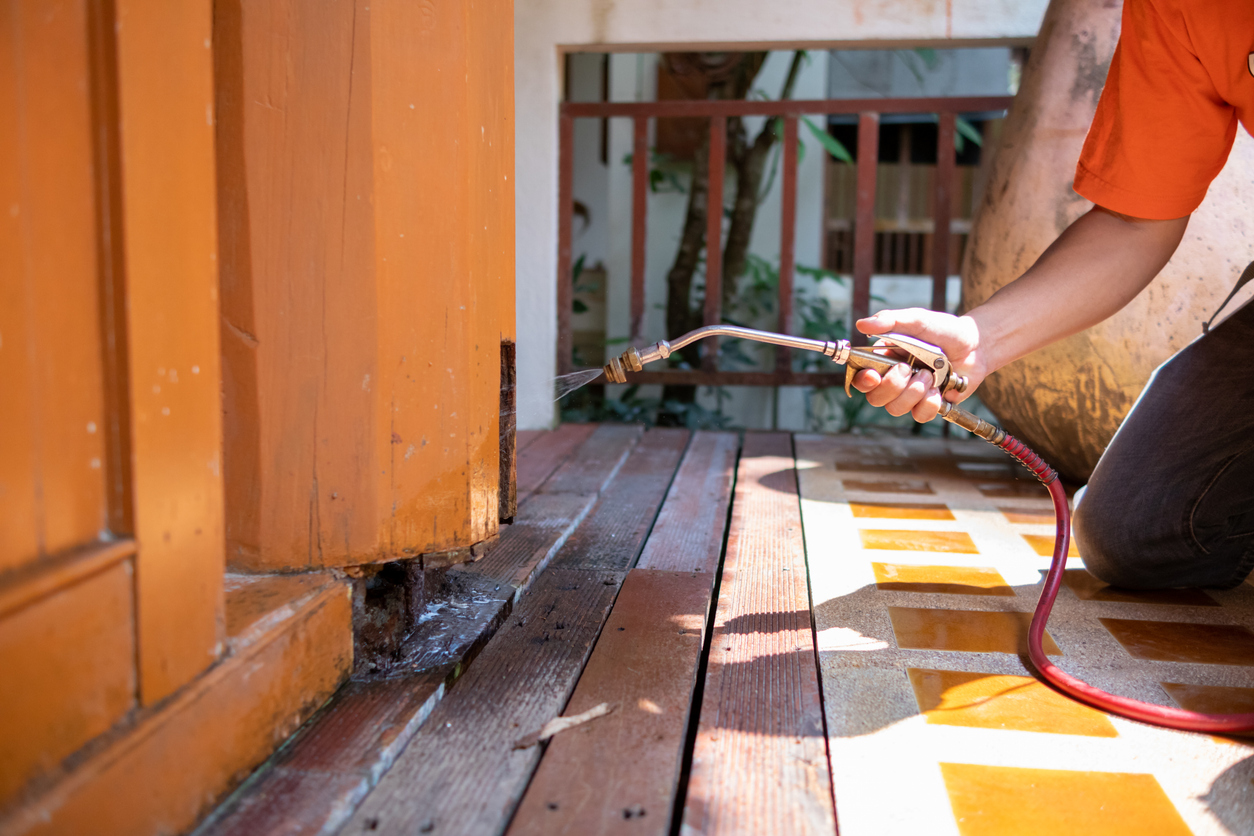
Once the active areas were identified, I focused on treating the soil around the affected sections of the home. Creating a protective barrier around the foundation is one of the most important steps because it helps stop termites from continuing to move between the ground and the structure.
I also treated the areas where mud tubes and termite activity were present to help eliminate the existing infestation. Some sections required closer attention due to moisture buildup near the exterior, since damp conditions often make homes more attractive to termites in the first place.
While walking the property, I pointed out a few conditions that could increase future termite risk, including mulch piled too high against the siding and some wood debris stored near the home. Those things may seem minor, but they can create conditions termites take advantage of over time.
With termite work, the goal is not just stopping the visible activity—it’s protecting the structure long-term and making the environment less inviting moving forward.
The Outcome
After the treatment was completed, the homeowner stopped seeing new swarmers inside the home within the following days. More importantly, the active areas we identified showed no further signs of termite movement during follow-up monitoring.
The homeowner mentioned they felt relieved finally knowing what was causing the issue because termites can be stressful once people realize structural damage may be involved. Catching the activity early made a big difference in this case since the damage had not progressed too far.
Over the next several weeks, there were no new mud tubes appearing and no additional signs of activity around the previously affected areas. The home remained stable, and the homeowner continued monitoring the areas we discussed.
Once the colony was addressed and the home had a proper protective treatment in place, the problem stayed under control. That’s usually what happens when termite activity is handled early and thoroughly instead of waiting for larger damage to appear.
DIY Advice I Shared
Before I left, I went over a few simple things that can help reduce the chances of termite problems developing around a home. These are the types of preventative habits that can make a real difference over time.
I told them to avoid stacking firewood, lumber, or wood debris directly against the house because termites are naturally attracted to cellulose materials. It also helps to keep mulch levels lower around the foundation and avoid letting it touch the siding directly.
Another thing I mentioned was managing moisture around the home by fixing leaking faucets, keeping gutters draining properly, and making sure water is directed away from the foundation. Damp soil and excess moisture create ideal conditions for termites.
I also recommended checking crawl spaces, garages, and exterior walls occasionally for mud tubes, soft wood, or signs of swarming insects near windows and doors during the warmer months.
They stayed proactive with those recommendations, and it helped lower the chances of future activity. With termites, prevention and early detection usually make the biggest difference.
Professional Insight
Termites are one of those pests that homeowners often don’t notice until activity has already been happening for quite a while. Unlike pests that stay visible, termites work quietly behind walls, under floors, and inside structural wood.
A lot of people mistake swarmers for flying ants or assume a few wings are not a big deal, but those signs usually mean there’s an active colony somewhere nearby. By the time termites become visible, it’s important to inspect the situation carefully rather than ignoring it.
The key with termite control is identifying the source of activity, treating the structure properly, and correcting the conditions that allowed the problem to develop in the first place.
Once the colony is addressed and the home is protected correctly, the risk of ongoing damage drops significantly.
Closing
Termite calls like this are pretty common this time of year in the Greater Charlotte metropolitan area. Most homeowners don’t notice the activity right away because termites tend to stay hidden until the signs become harder to ignore.
If you’re seeing mud tubes, discarded wings, or anything that looks unusual around your foundation or wood structures, it’s usually best to have it checked sooner rather than later.
– David
