Ant Control - A Recent Job & Some Homeowner Tips
By David, Owner, Guardian Pest & Termite Services
What I Walked Into
May is when ant calls really start picking up around the Greater Charlotte metropolitan area. The weather is warm, people are opening windows more often, and kitchens start seeing more activity.
Earlier this month, I got a call from a homeowner who said they were cleaning up ants every morning, but they kept coming back. It wasn’t a heavy infestation, just a steady line near the kitchen sink and along one wall.
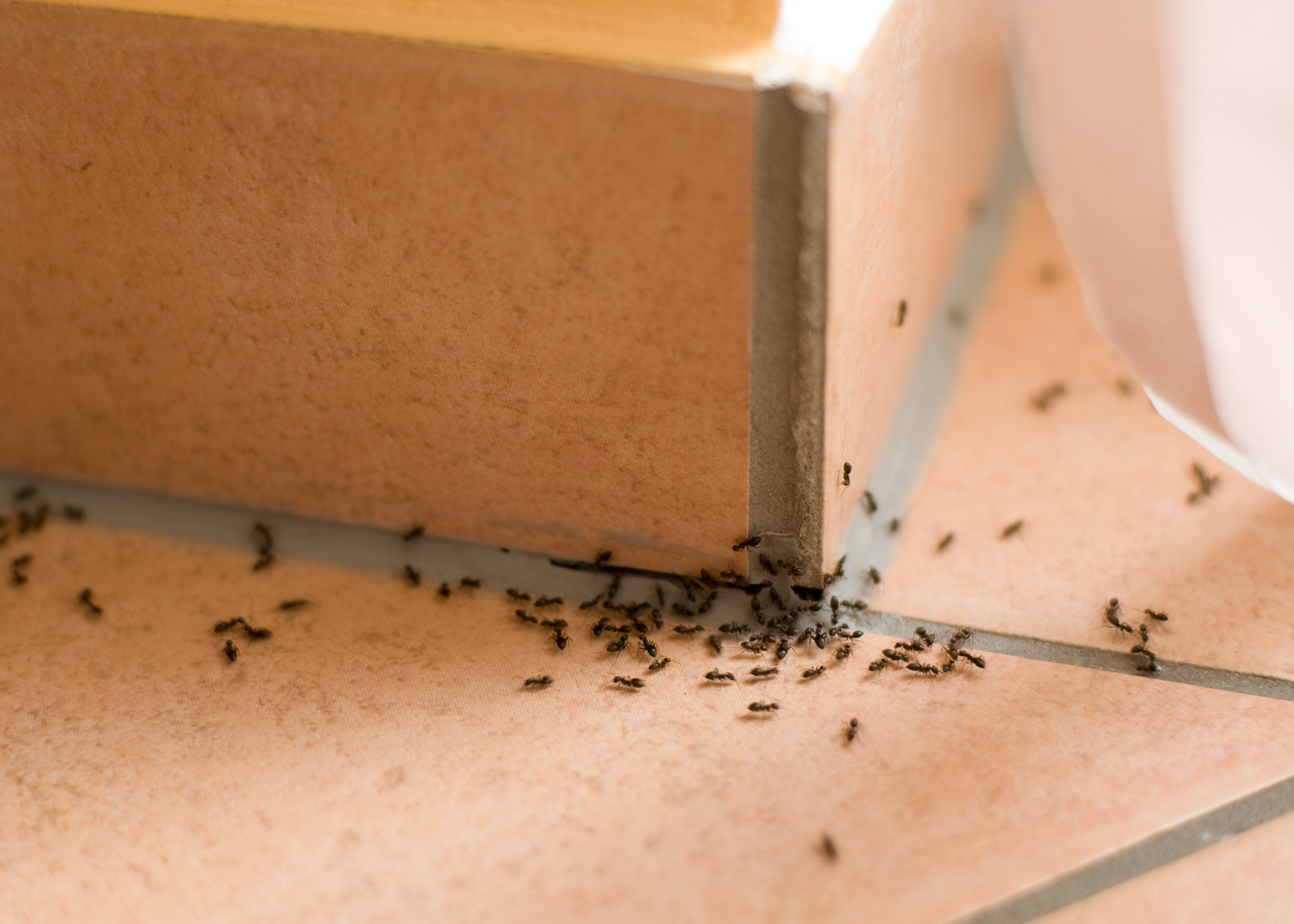
The home was a typical setup—single-family, small backyard, mulch around the foundation, and a garage. When I arrived, I could see a light trail of ants moving along the baseboard toward the counter. It didn’t look like much at first, but it was consistent, and that’s usually what matters.
The Problem
Ant problems this time of year in the Greater Charlotte metropolitan area are pretty common. Once temperatures stay warm, ants start moving and looking for reliable food and water sources. Kitchens are usually the first place they end up.
In this case, the ants weren’t just randomly showing up. They were following the same path every time. During the inspection, I tracked that trail back to a small opening near the base of the wall, close to where a window met the siding.
Outside that same area, there was a nest near the foundation, likely in the mulch. That gave them a direct path—nest outside, food inside.
The homeowner had been wiping the area down and using store-bought sprays, which helped temporarily, but the ants kept returning. That’s usually because the source hasn’t been dealt with. When the colony is still active, more ants just keep coming in.
The problem wasn’t the few ants they were seeing—it was the steady activity behind it.
The Process
I started by identifying the type of ant we were dealing with, since different ants behave differently and don’t all respond the same way to treatment. Some stay outside and come in for food, while others try to settle closer to the home. Knowing that upfront helps avoid wasting time treating the wrong areas.
Inside, I focused on the entry point and the path the ants were using. Instead of treating large sections of the house, I stayed targeted to the areas where activity was actually happening—along the baseboard, near the sink, and around that small gap where they were getting in.
From there, I moved outside and worked along the foundation where the nest was likely located. That’s the part that usually makes the biggest difference. If the outside source isn’t handled, ants will keep finding their way back in no matter how many you remove inside.
I also walked the perimeter of the home to look for other spots that could become problems later. There were a couple of small openings around siding and trim that weren’t active yet, but could easily turn into new entry points. I pointed those out so they could be sealed before anything started there.
With ant work, it’s not about chasing the ants you see—it’s about slowing down, following the trail, and dealing with where it actually starts.
The Outcome
After the treatment, the change was pretty straightforward. Within a couple of days, the trail inside started to break up. Instead of a steady line, there were just a few scattered ants, and then it stopped completely.
The homeowner mentioned the biggest difference was not having to go back to the same spot every morning to clean it up. That routine was gone, and the kitchen just felt normal again. It’s a small thing, but it makes a big difference day to day.
Over the next couple of weeks, there were no new trails forming and no activity along the baseboards or counters. They kept an eye on the original problem areas, and nothing showed back up.
Once the outside source was handled and the entry point was taken care of, the problem stayed resolved. That’s usually how it goes when everything is addressed properly instead of just treating the surface.

DIY Advice I Shared
Before I left, I went over a few simple things that can help prevent ants from coming back. These are the kinds of habits that make a difference over time.
I told them to keep kitchen counters and floors clean, especially after meals, and to avoid leaving food or crumbs sitting out overnight. It also helps to store pantry items in sealed containers instead of open packaging and to wipe up spills quickly, especially anything sugary.
Another thing I mentioned was staying on top of the trash by taking it out regularly and keeping lids closed. I also recommended checking around windows, doors, and baseboards for small gaps where ants can get in, and trimming mulch and plants back from the foundation.
Lastly, I pointed out the importance of avoiding moisture buildup under sinks or around appliances, since even small damp areas can attract ants.
They stayed consistent with those steps, and it helped keep things from starting up again. With ants, small habits done regularly usually matter more than anything else.
Professional Insight
Ants are one of the most common problems people try to handle on their own, and sometimes that works for a short time, especially when the activity is light.
But when ants keep coming back, it usually means the colony hasn’t been located or treated. What you see inside is just a small part of what’s going on. Sprays might knock down the visible ants, but they don’t stop the rest from coming in.
The key is understanding where they’re coming from and how they’re getting inside. That usually involves checking both inside and outside, not just one or the other.
Once the source is handled and the entry point is addressed, the problem tends to stay resolved instead of coming back every few weeks.
Closing
Ant calls like this are pretty typical this time of year in the Greater Charlotte metropolitan area. Most of them start small and build up over time if nothing changes.
If you’re seeing the same activity day after day, it’s usually worth taking a closer look early on.
– David
