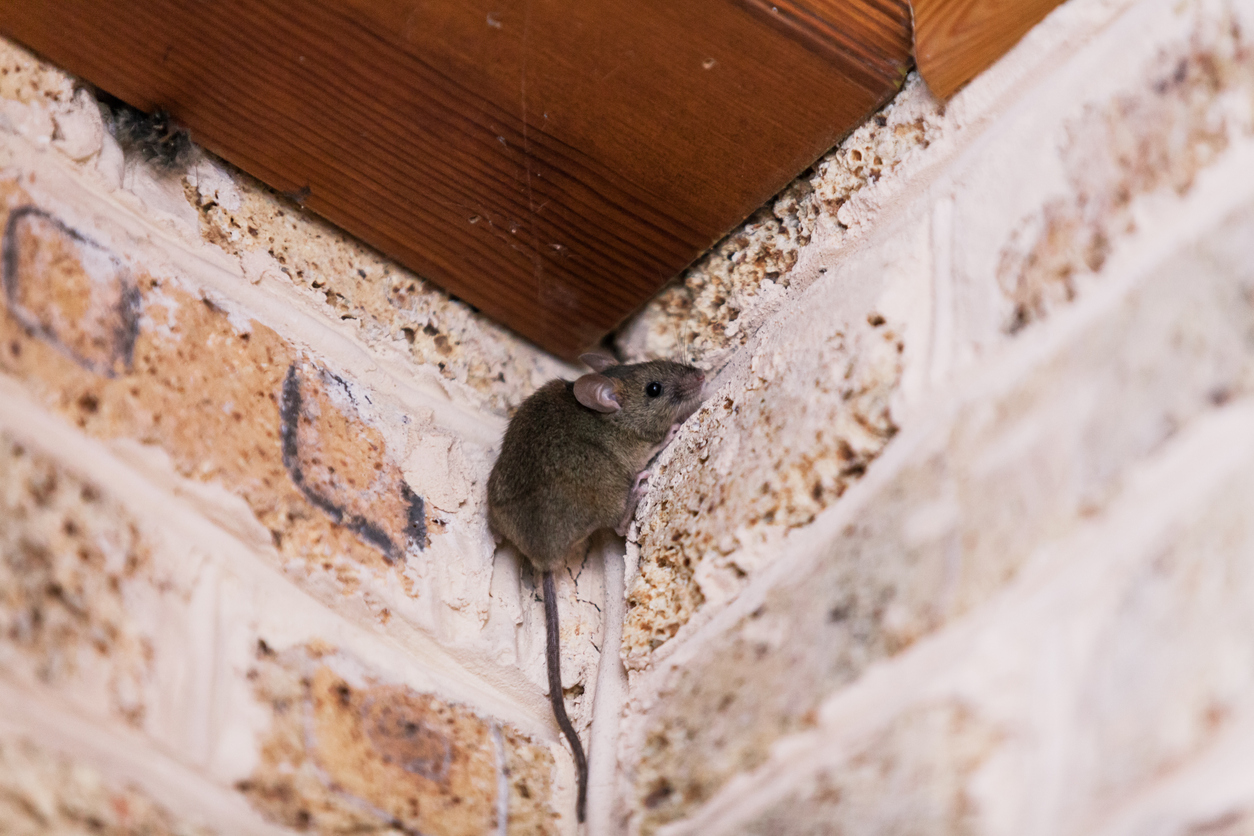
Rodent Prevention – A Recent Job & Some Homeowner Tips
By David, Owner, Guardian Pest & Termite Services
What I Walked Into
July is not usually the month people think about rodents, but it is a time when I start finding a lot of early warning signs around homes in the Greater Charlotte metropolitan area.
One call earlier this month came from a homeowner who had been hearing scratching sounds in the garage late at night. At first, they thought it might be something outside. Then they found a few small droppings along the wall near some stored boxes.
The home had an attached garage and a wooded area behind the backyard. The homeowner had not seen a mouse or rat, but they knew something was not right.
When I arrived, the signs were not dramatic. That is pretty normal with rodents. Most of the time, the first clues are small: a sound at night, a few droppings, a chewed corner of a box, or a gap that does not look like much until you look closer.
The first thing I asked was, "Where are you hearing the noise?" That helps me understand where the activity may be starting and how far it may have spread.
The Problem
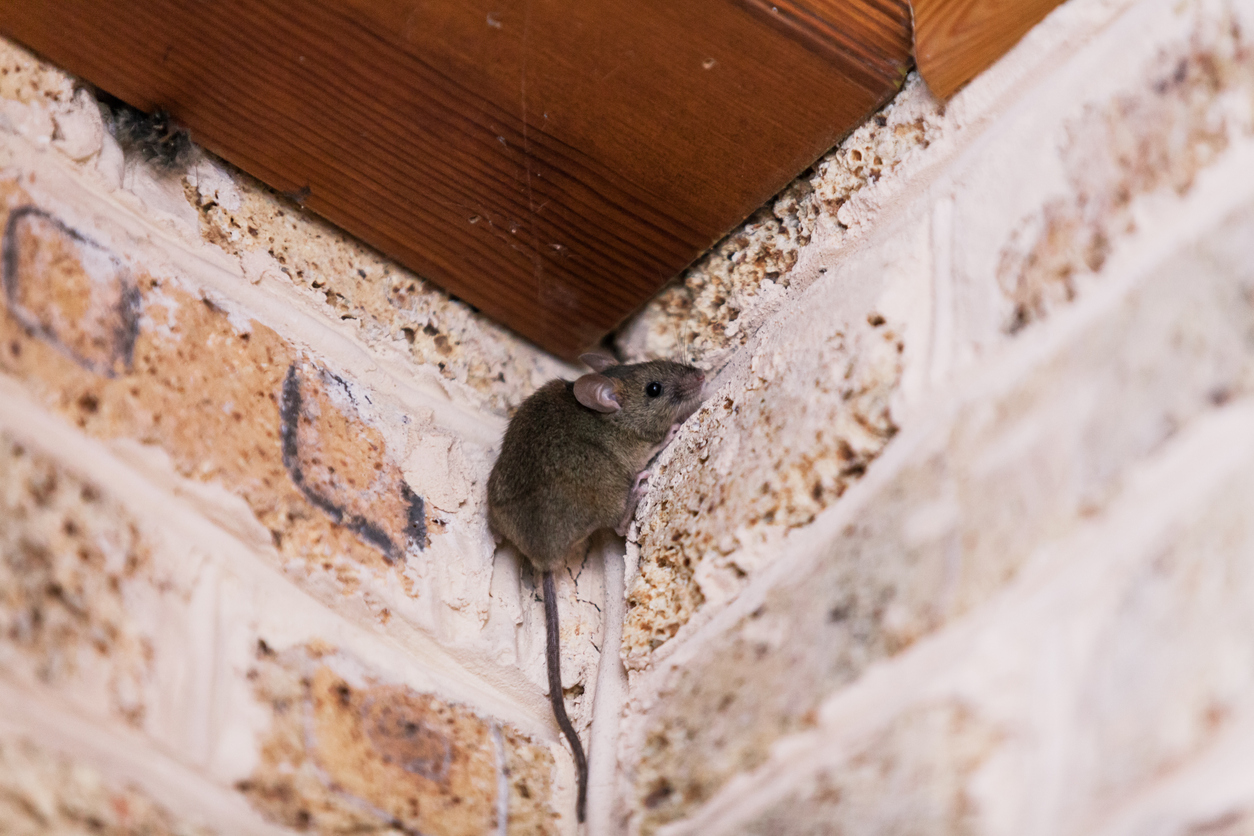
Rodent problems usually start quietly.
What we found was not a major infestation. It was early activity, which is exactly when you want to catch it.
There were droppings near the stored items in the garage and signs that rodents had been traveling along one section of the wall.
Outside, I found a couple of small openings near utility lines entering the home. They were not large holes, but rodents do not need a large opening to get inside.
The wooded area behind the home also mattered. Properties near trees, brush, and natural cover often give rodents more places to travel and hide before they ever reach the house.
The homeowner was mostly concerned about what they could not see. That is usually the part that bothers people most. Once you hear scratching at night, it is hard not to wonder if something is in the wall, the attic, or behind the boxes in the garage.
The issue was still manageable, but it had the potential to grow if those access points and hiding spots were ignored.
The Process
I started with the outside of the home because that is usually where rodent prevention begins.
I walked the exterior, checked the garage area, looked around utility lines, and inspected places where small gaps are easy to miss. Around the garage and utility entry points, I found a few openings large enough for mice to use.
I pointed those areas out to the homeowner so they could see exactly what I was seeing.
Inside the garage, I checked behind stored boxes, along shelving, and in the corners where rodents usually travel. I also checked the attic and crawl space to make sure the activity had not spread beyond the garage area.
Once we knew where the activity was strongest, the focus was exclusion and prevention. The entry points needed to be sealed, and the conditions around the garage needed to be cleaned up so rodents had fewer places to hide.
We also talked about food sources, storage habits, and vegetation around the home.
The point is not just to deal with the rodents that may already be there. The point is to make the house harder to enter and less comfortable for them to stay around.
The Outcome
After the entry points were addressed and prevention steps were put in place, the homeowner stopped noticing new signs of activity.
The scratching sounds in the garage went away, and no new droppings showed up in the areas where we had first found activity.
A few weeks later, the homeowner told me they felt much better knowing they had caught it early. Instead of waiting until rodents were established deeper inside the home, they were able to deal with the issue while it was still small.
That is usually the best-case scenario with rodents. Small warning signs are much easier to handle than a full infestation.
DIY Advice
Here are the same things I recommend homeowners check around their own homes:
Walk the outside of the house and look for small gaps around utility lines, vents, garage doors, and foundation areas.
Keep boxes and stored items pulled away from garage walls when possible so you can see what is happening behind them.
Store pet food, bird seed, and other dry goods in sealed plastic or metal containers.
Trim vegetation back from the home, especially near garages, crawl spaces, and utility areas.
Clean up debris piles, stacked materials, and anything rodents could use for cover close to the house.
Pay attention to scratching sounds at night. Even if you never see a rodent, the sound is worth checking.
None of these steps take very long, but they can make a big difference when you catch activity early.
Professional Insight
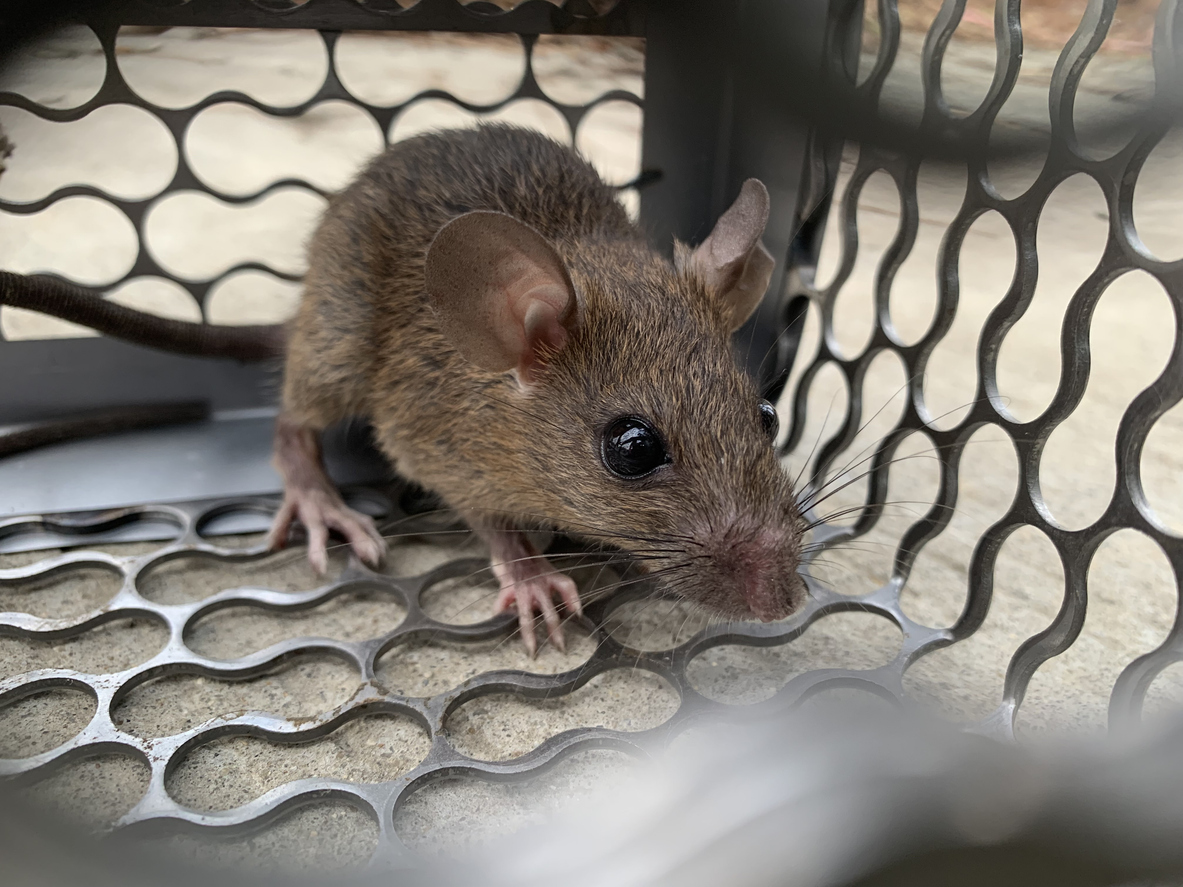
One thing I tell homeowners often is that rodents are usually active long before they are obvious.
By the time you see droppings or hear scratching, they may already have found a route they like using.
Around the Greater Charlotte metropolitan area, I pay close attention to garages, crawl spaces, attics, utility openings, wooded lots, and storage areas. Those are the places where early rodent activity often shows up first.
Treatment matters, but prevention matters just as much. If entry points stay open and attractants stay in place, the problem can come back.
Closing
Rodent calls do not only happen in cold weather.
In July, I often find the early signs that rodents are exploring homes and figuring out where they can get in.
If you're in the Greater Charlotte metropolitan area and you're hearing scratching sounds, finding droppings, or noticing small openings around your home, it is worth taking a closer look before the problem grows.
– David
