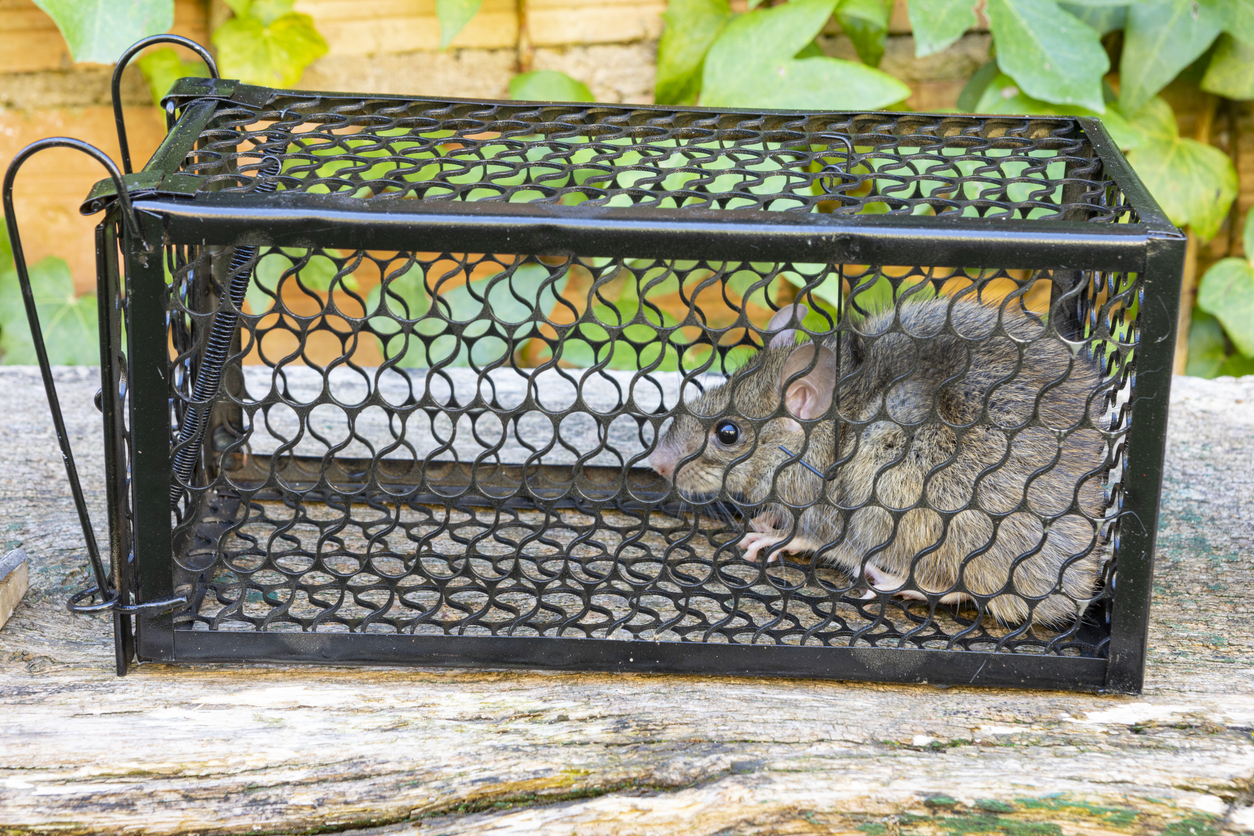
Rodents don’t always make themselves obvious
By David, Owner, Guardian Pest & Termite Services
What I Walked Into
Earlier this month, I got a call from a homeowner here in South Carolina who said something just didn’t feel right in their house. They weren’t seeing rodents out in the open, but they were hearing light scratching at night and noticed a few small droppings in the garage near stored boxes.
The home was a single-family house, a few years old, with an attached garage and attic space. From the start, it sounded like a pretty typical winter rodent situation—nothing dramatic yet, but definitely something worth checking before it got worse.
The Problem
When rodents move in during winter, it’s usually not sudden or obvious. They’re just looking for warmth, food, and a quiet place where they won’t be bothered. That’s exactly what was going on here.
During the inspection, I found signs of mice activity along one side of the garage and up in the attic insulation. There were a few small entry points near utility lines where they came into the house, along with a worn section of the garage door seal that left just enough space for mice to slip through. The homeowner had walked past that spot plenty of times and never thought twice about it, which is common. Those gaps don’t look like much, but they’re more than enough for rodents.
What worried the homeowner most wasn’t just knowing there were mice—it was not knowing where they were going once they were inside. Rodents don’t stay in one place. They move through walls, insulation, and storage areas. That means chewed insulation, droppings in places you don’t see every day, and the possibility of damage that can go unnoticed for a while. The uncertainty and lack of control is usually what causes the most stress.

The Process
We started by taking a slow, thorough look at the entire structure. Inside and outside. That included the foundation, the garage, the attic, and any spots where pipes or wires entered the home. With rodent issues, missing one access point can undo all the work later, so it’s important to be detailed.
Once we identified where the mice were getting in, those areas were sealed properly. The goal there was to stop any new rodents from entering, not just deal with the ones already inside. After that, we placed traps in areas where activity had already been confirmed, keeping them out of the way so they wouldn’t interfere with daily life in the home.
We also talked through some conditions that were making the garage more inviting, like stored items pushed up against the walls and accessible food sources. Fixing those things matters just as much as trapping. Removing rodents is only part of the solution—making the home less appealing to them is what helps keep the problem from coming back.
The Outcome
It didn’t take long for things to settle down. The scratching sounds at night stopped, and there were no new droppings showing up in the garage or attic areas. That quiet is usually the first sign that the issue has been handled properly.
The homeowner checked back in a little later and said the house finally felt normal again. They weren’t listening for noises every night or wondering what was happening behind the walls. Knowing how the mice got in and knowing those entry points were sealed made a big difference.
Once the rodents were removed and the access points were taken care of, the stress lifted. That peace of mind is usually what people appreciate most—not just that the mice are gone, but that they’re not likely to come back.
DIY Advice I Shared
Before wrapping up, I gave the homeowner a few simple prevention steps to keep up with. Nothing complicated—just habits that actually help:
Keep garage and storage areas organized and items off the floor
Avoid stacking boxes directly against walls, especially in garages and basements
Store pet food and bird seed in sealed containers, not open bags
Clean up spilled seed or food right away, even small amounts
Check door seals and weather stripping once or twice a year and replace worn sections
Make sure garage doors close tightly along the bottom
Walk the outside of the house occasionally and look for new gaps or openings
Pay attention to sounds—scratching or movement is usually a sign something’s there
They followed through on those steps, and it made a real difference. Fixing the problem once is important, but knowing how to prevent it from coming back matters just as much.

Professional Insight
DIY steps can help lower the chances of rodents getting inside, especially when it comes to food storage and sealing obvious gaps. But once you’re hearing noises in walls or finding signs in the attic, it usually means the problem is already beyond what most homeowners can see or reach.
Rodents spend most of their time in hidden areas—inside insulation, wall voids, and tight spaces that aren’t easy to check without experience or proper access. That’s why people often feel stuck dealing with the same issue over and over. They might catch one mouse, but the entry point or nesting area is still there.
A proper inspection looks at the whole picture: how the rodents got in, where they’re nesting, and what around the home is making it easy for them to stay. When those pieces are addressed together—removal, sealing, and prevention—the problem is far less likely to return.
Closing
Every rodent job reminds me how important early attention is, especially during winter here in South Carolina. The sooner something feels off, the easier it is to fix.
If you’re hearing noises, finding droppings, or just have a gut feeling something isn’t right, it’s worth getting it checked. We’re always happy to take a look and give honest guidance.
– David
