They Wanted the Problem Fixed Without Overdoing It
By David, Owner, Guardian Pest & Termite Services
What I Walked Into
April is when things start to shift a bit here in the Greater Charlotte metropolitan area. The weather warms up, insects become more active, and homeowners start noticing more pest activity around the house.
Earlier this month, I got a call from a homeowner who was dealing with ants in the kitchen and some spider activity in the garage. What stood out right away was that they were concerned about how the problem would be handled. They had kids and a dog, and they didn’t want anything too harsh used around the home.
It was a fairly standard single-family house with a yard, mulch beds, and a garage. When I arrived, I saw some light ant activity near the sink and a few spider webs in the garage corners and along the exterior siding. Nothing severe, but it was building.
The Problem
The pest activity itself wasn’t unusual for this time of year in Greater Charlotte metropolitan area. As the weather warms up, ants start coming inside looking for food and moisture, and spiders settle in areas where they can catch insects. It’s a pattern I see every spring.
What made this situation a little different was the homeowner’s concern about how the problem would be handled. They weren’t comfortable with the idea of heavy treatment inside the home, especially with kids and pets around. They wanted the issue taken care of, but in a more controlled way.
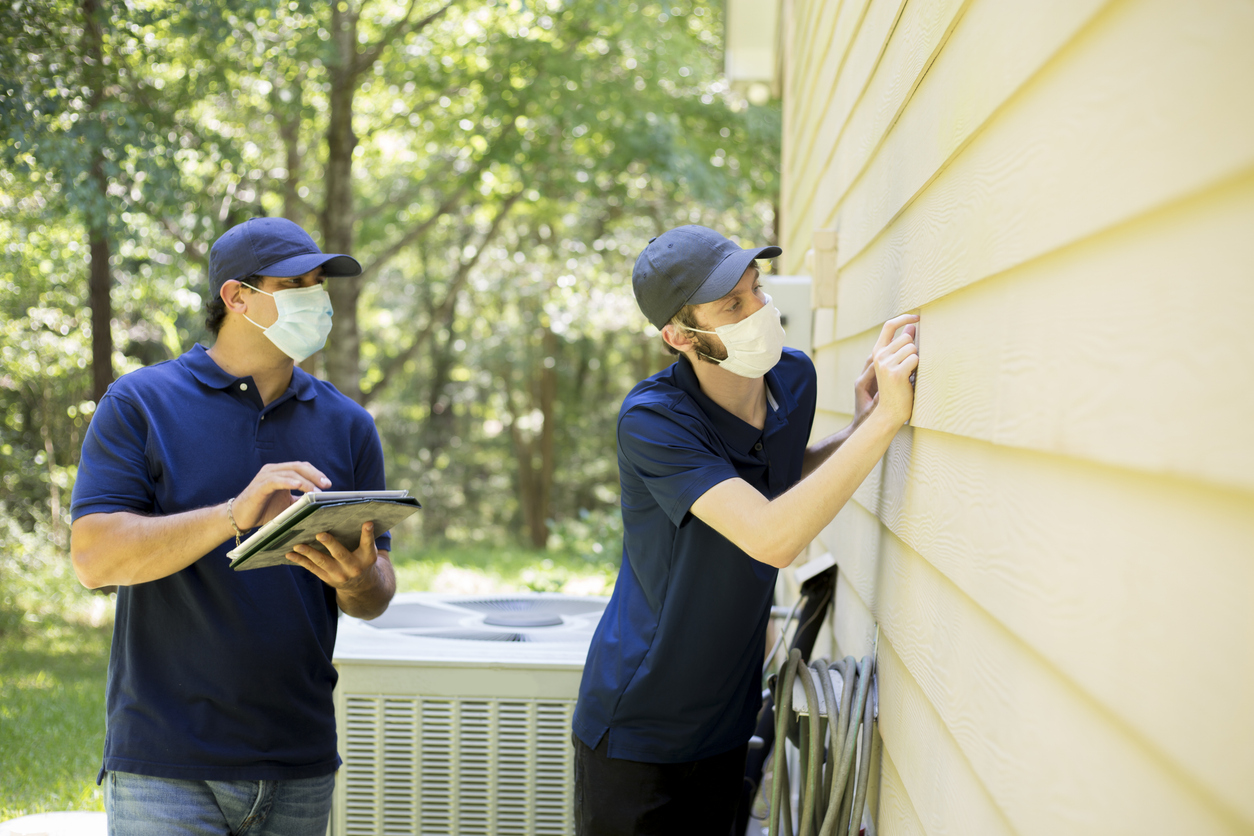
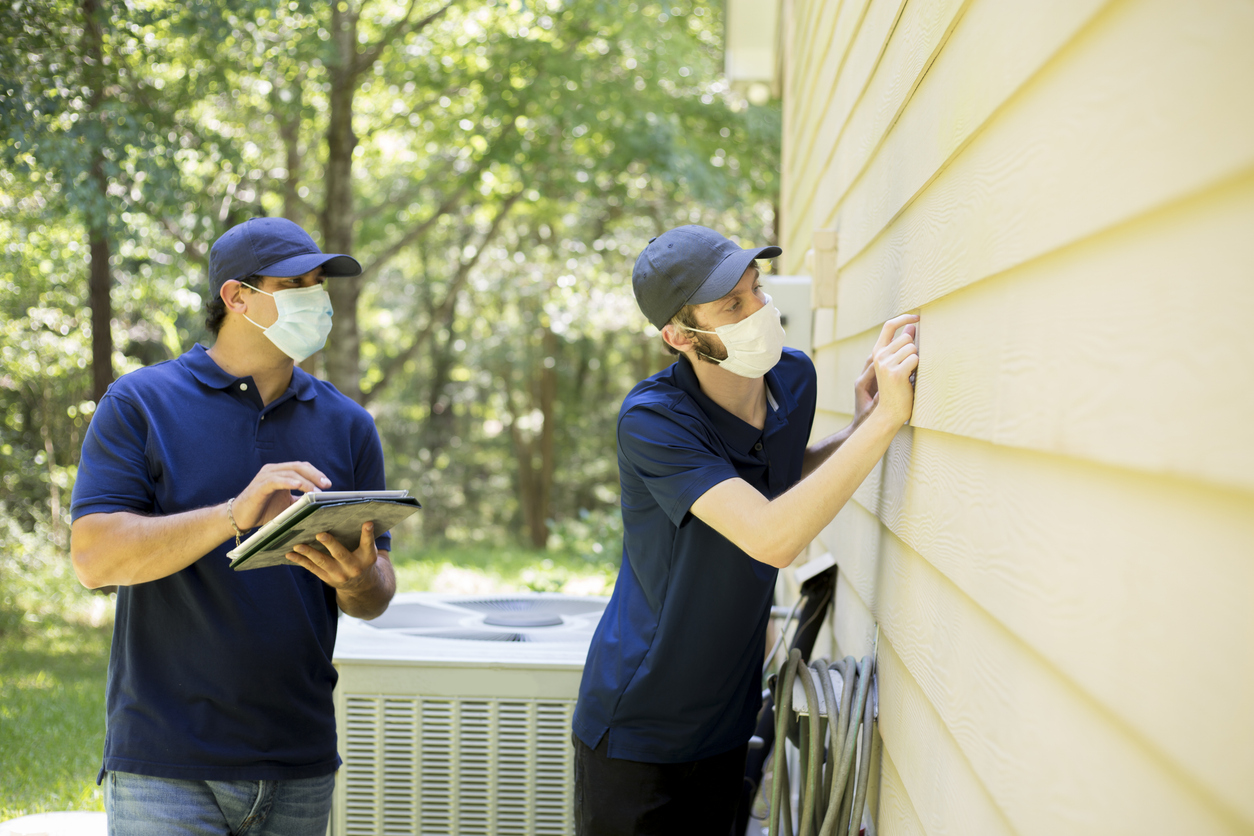
During the inspection, I found a small gap near a window where the ants were getting in. Outside that same area, there was likely a nest along the foundation. Inside activity was light, but it was consistent, which usually means they’ve already established a path. The spiders were mostly in the garage and around exterior areas where insects were already present, especially near lights and entry points.
So it wasn’t just about getting rid of ants and spiders. The bigger issue was how to solve it properly without doing more than needed inside the home. That meant being more precise about where the problem was coming from and how it was being handled.
The Process
I started by explaining how we could approach the situation in a more controlled and targeted way. Not every job needs heavy treatment, and in this case, it didn’t.
Inside the home, I kept things minimal. I treated only the areas where activity was confirmed and avoided unnecessary application in living spaces. The focus was on the entry points and the areas the ants were actually using.
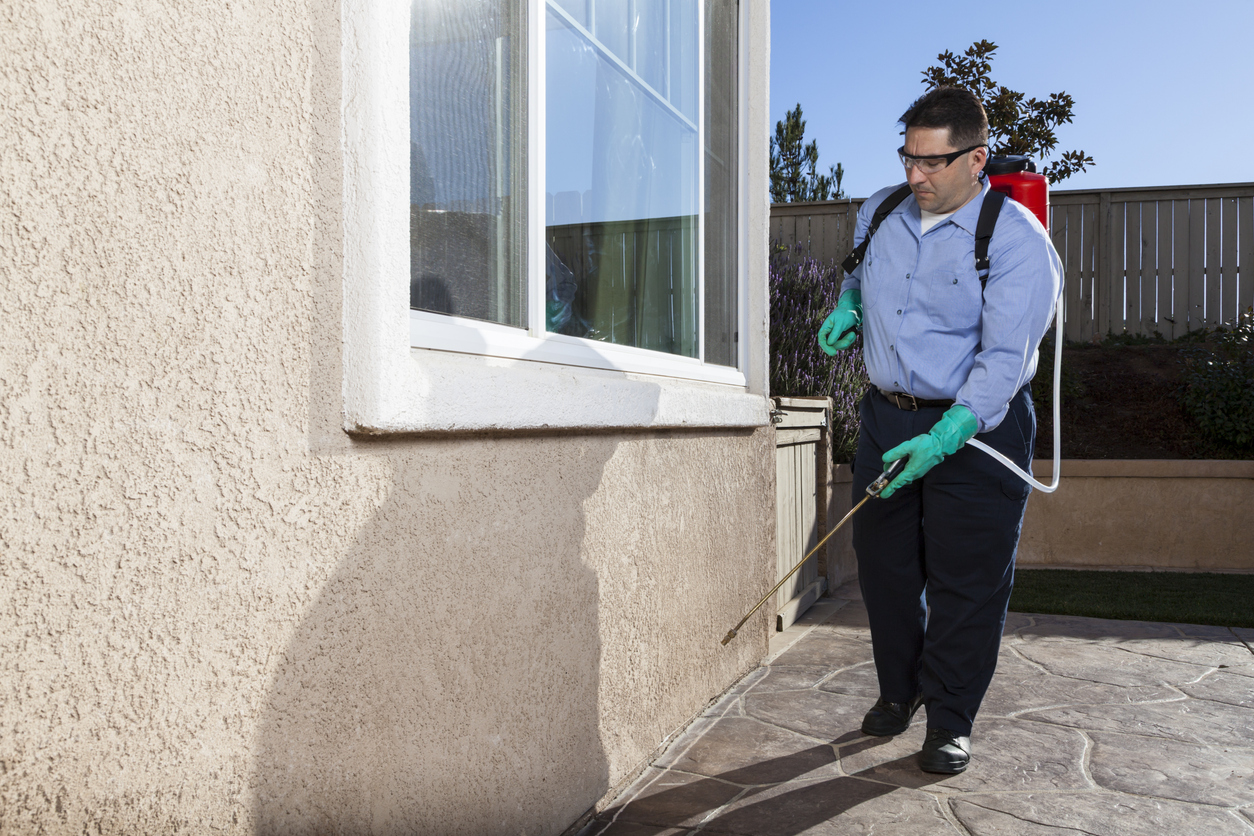
Outside is where most of the work was done. I treated around the foundation, near the mulch beds, and around entry points like doors and windows. That’s where the ants were coming from, so it made more sense to handle it at the source.
For the spiders, I removed webs and treated common exterior areas where they were settling, especially around lights and siding. I also explained that reducing insect activity outside would naturally reduce spider activity.
Everything was done in a way that kept exposure low but still handled the problem properly. The idea is to use what’s needed, where it’s needed, and nothing more.
The Outcome
Within a few days, the ant activity inside stopped. No more lines along the counter or near the sink. The spiders in the garage and around the exterior also didn’t return once the webs were cleared and the outside areas were treated.
The homeowner mentioned they felt more comfortable knowing the problem was handled without overdoing it inside the house. That was important to them, and it showed in how they responded afterward.
Over the next couple of weeks, things stayed under control. No new activity, no need for additional treatment, and no concerns about safety inside the home.
That balance is usually what people are looking for—effective results without feeling like the whole house was treated unnecessarily.
DIY Advice I Shared
Before I left, I went over a few simple things they could keep up with. Nothing complicated, just everyday habits that help reduce pest activity without needing constant treatment.
I told them to keep counters and floors clean, especially in the kitchen, since even small crumbs or spills can attract ants and other insects. It also helps not to leave pet food out overnight, because that’s one of the most common things that draws pests inside.
We talked about storing dry goods in sealed containers instead of open boxes or bags, and checking for small gaps around windows, doors, and where utility lines come into the house.
Outside, I recommended trimming mulch, plants, and bushes back from the foundation so pests don’t have an easy path inside. I also suggested knocking down spider webs as soon as they show up so they don’t get reused.
Limiting outdoor lighting when possible can help as well, since lights tend to attract insects. Inside the garage and storage areas, keeping things a bit more open and less cluttered reduces places where pests can settle.
They stayed consistent with these steps, and it helped keep everything under control. In most homes, it’s not one big change that makes the difference, it’s staying on top of a few small things over time.
Professional Insight
A lot of people assume pest control always means heavy treatment everywhere, but that’s not always the case.
In many situations, especially in homes here in Greater Charlotte metropolitan area, you can handle the problem by focusing on the source and using targeted applications instead of treating everything broadly.
The key is understanding where the pests are coming from and why they’re there. Once that’s clear, you can solve the problem in a more controlled way without overusing products.
There are times when stronger treatment is needed, but there are also plenty of cases where a more measured approach works just as well.
Closing
This job was a good reminder that every home is different. Some homeowners want a full treatment, and others want a more controlled approach. Both can work if the problem is understood and handled the right way.
If you’re dealing with pest activity and not sure what the right approach is, it’s worth taking a closer look early on.
– David
