
Designed to Educate, Motivate & Inspire
The Guardian Journal
Welcome to the Guardian Pest & Termite journal section, your go-to resource for expert insights and tips on pest control solutions. Whether you're dealing with stubborn termites, bothersome rodents, or persistent bed bugs, our journal offers practical advice, preventive measures, and the latest industry updates. Stay informed with our comprehensive guides and learn how to protect your home or business effectively. To learn more contact us, we are here to help you maintain a pest-free environment year-round.
Winter Pests in Carolina: Rodents, Roaches, and More
Understanding Why Pests Move Indoors During Winter
When the temperatures drop across the Carolinas, the outdoors become harsh for insects and rodents. To survive, pests begin migrating indoors — seeking the same comforts that humans enjoy: warmth, food, and water. Your cozy home, unfortunately, offers everything they need to outlast the season.
Guardian Pest & Termite has identified the three main reasons pests invade during winter, along with key signs homeowners should watch for.
1. Warmth — Seeking Shelter from the Cold
Just like people, pests can’t tolerate freezing temperatures. They instinctively search for warm, protected environments where they can nest, breed, and remain active through the season.
Common hiding spots include:
Attics and crawlspaces where insulation retains heat.
Wall voids and behind appliances that generate warmth.
Basements, garages, and storage rooms with minimal foot traffic.
Typical pests attracted by warmth:
Rodents (mice and rats)
Cockroaches
Warning Signs to Look For:
Scratching noises in walls or ceilings at night.
Chewed wires or shredded insulation.
Droppings in corners, pantries, or along baseboards.
Guardian’s Preventive Approach:
Inspects temperature-prone areas using thermal imaging to detect hidden pest activity.
Seals small gaps and foundation cracks that allow warm-air leaks and pest entry.
Sets up exclusion barriers to prevent re-entry after removal.
2. Food — Easy Access to Meals Indoors
During winter, natural food sources like plants, insects, and seeds become scarce. Pests then turn to your pantry, garbage bins, and pet food bowls for survival.
Common indoor food attractants:
Unsealed cereal boxes, grains, and flour bags.
Crumbs and grease left behind after cooking.
Overflowing trash cans or compost bins.
Pet food and water dishes left out overnight.
Pests that invade for food:
Homeowner Red Flags:
Droppings or chewed packaging in pantry shelves.
Grease trails or roach droppings near kitchen appliances.
Small holes gnawed into food storage containers.
Guardian’s Preventive Approach:
Provides sanitation guidance to eliminate food attractants.
Applies baiting systems and targeted treatments in food-prep zones.
Monitors with bait stations for early detection and rapid response.
3. Water — Hidden Moisture Sources Indoors
Even in the winter, water remains a life-sustaining necessity for pests. When outdoor sources freeze, they rely on indoor leaks, condensation, or standing water to survive.
Moisture-prone areas include:
Leaky sinks, dishwashers, and washing machines.
Crawlspaces or basements with poor ventilation.
HVAC systems that create condensation.
Bathrooms and utility rooms where humidity stays high.
Pests drawn to damp areas:
Cockroaches (especially German and American species)
Silverfish and centipedes
Termites (in moisture-compromised wood)
Rodents seeking hydration sources
Warning Indicators:
Musty odors or water stains near baseboards or ceilings.
Peeling paint or bubbling wallpaper (signs of hidden leaks).
Pest droppings or tracks near water sources.
Common Winter Pests in the Carolinas
Not all pests disappear when the frost sets in. Many species stay active year-round — and some even thrive indoors during the colder months. As outdoor temperatures drop, these pests migrate into homes in search of warmth, food, and shelter.
Below are the top winter culprits Carolina homeowners should watch out for — and how Guardian Pest & Termite helps eliminate and prevent them.
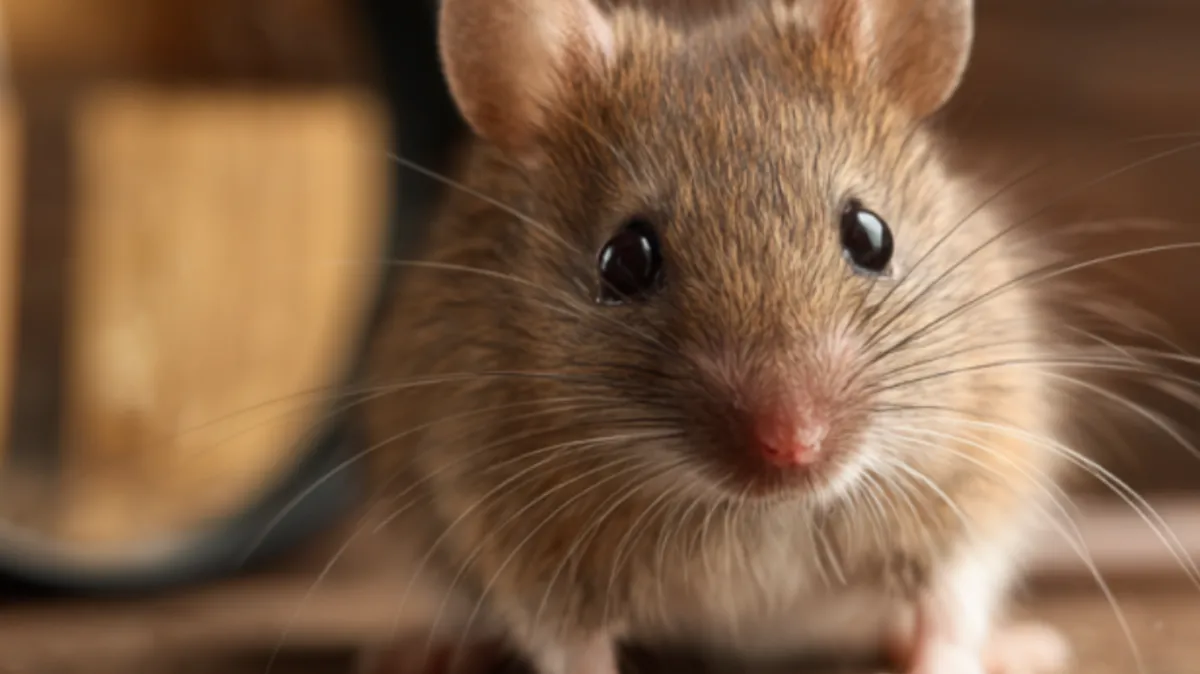
1. Rodents (Mice & Rats)
Rodents are the most common winter invaders across the Carolinas. When the temperature falls, they squeeze through openings as small as a dime to find warmth inside walls, attics, crawlspaces, and garages.
Once inside, rodents can:
Chew through wiring, insulation, and storage boxes, posing fire hazards.
Contaminate food and surfaces with droppings, urine, and nesting materials.
Multiply rapidly — a single pair can produce dozens of offspring in one season.
Key Warning Signs:
Scratching or scurrying sounds behind walls or ceilings.
Droppings near food sources or along baseboards.
Chewed packaging, gnawed wires, or shredded insulation.
Foul, musty odor caused by nesting or urine buildup.
How Guardian Protects You:
Performs a full property inspection to locate nesting zones and entry points.
Seals structural gaps in foundations, vents, and utility openings to block access.
Installs tamper-resistant bait stations and traps strategically indoors and around the perimeter.
Offers quarterly or bi-monthly follow-up visits to ensure the infestation doesn’t return.
2. Cockroaches
Cockroaches don’t hibernate — they relocate. During winter, they find refuge in warm, moist areas like kitchens, bathrooms, and laundry rooms. They are highly resilient and can survive for weeks without food, making them tough to eliminate without professional help.
Common Hiding Spots:
Behind and under appliances such as refrigerators or stoves.
Inside cracks, cabinets, and wall voids near plumbing lines.
Around floor drains, leaky pipes, and damp basements.
Why They’re Dangerous:
Carry allergens and bacteria that can trigger asthma or respiratory issues.
Contaminate food, dishes, and cooking areas.
Reproduce quickly — one female can produce up to 300 offspring in a year.
3. Spiders
While many insects go dormant during winter, spiders often stay active indoors, preying on smaller pests that have moved in for warmth. Though most are harmless, dangerous species like the brown recluse or black widow may pose health risks.
Common Indoor Habitats:
Basements, crawlspaces, and attics.
Storage boxes, corners, and window sills.
Closets and areas with minimal movement.
Warning Signs:
Webs appearing in corners or near light fixtures.
Dead insects or egg sacs behind furniture.
Bites or skin irritation from accidental contact.
4. Ants & Occasional Crawlers (Silverfish, Centipedes, Earwigs)
Even though ant colonies slow down in the cold, some species remain active indoors, particularly in kitchens or around leaky pipes. Other pests — like silverfish and centipedes — also migrate inside to escape freezing temperatures.
Areas to Watch:
Kitchens, bathrooms, and laundry areas.
Under sinks, around plumbing, and near water heaters.
Inside baseboards and storage areas.
Common Behaviors:
Ants forage for sweet and greasy foods.
Silverfish feed on paper, cardboard, and fabric.
Centipedes and earwigs hide in damp, dark spaces.
Whether it’s scratching in the attic or roaches in the kitchen, Guardian Pest & Termite has you covered.
Our expert team proudly serves homes across North and South Carolina, delivering reliable, year-round pest protection. Schedule your free winter inspection and start 2026 off pest-free with Guardian Pest & Termite.

Indian Land, SC Pest Control Journal

Copyright 2024. All Right Reserved.